How NIJC Transformed Frontline Operations with Multilingual AI Agents
NIJC handled a surge in demand with no new hires and no disruption to service. Eight staff members were redeployed to other departments. Appointment booking grew from four to seven days a week, a 75% increase. In about nine months, the AI agents handled more than 12,000 conversations, served more than 2,940 users and tracked 1,255+ appointments. The system works in five languages across web chat, WhatsApp and voice, and is available 24/7.
Challenge
Growing demand. Limited resources. Increasing operational pressure. NIJC relied on a team of eight staff members to manage frontline enquiries, assess eligibility, and schedule appointments. As demand grew, hiring more people was not a practical answer. Hard to reach: Phone lines were constantly busy. People called, couldn’t get through, and came back the next day to try again, sometimes for two days in a row. The team could handle only around 50 appointments. Limited operational capacity: During peak hours, staff could not respond to every call. Repetitive enquiries and admin tasks used up time the team needed for other priorities. Language barriers: NIJC needed to serve people in five languages, but no single staff member spoke all five. Consistent assistance was hard to deliver. Restricted service availability: Appointments could be booked only four days a week. Everyone else waited until staff was available. Dependency on manual processes: Answering questions, checking eligibility, and scheduling all needed a person, so frontline operations depended entirely on staff availability. Limited scalability: With around 50 appointments handled before implementation, adding staff was not seen as a workable way to expand capacity. NIJC needed a different approach: one that could extend its service without adding pressure on its workforce.
Solution
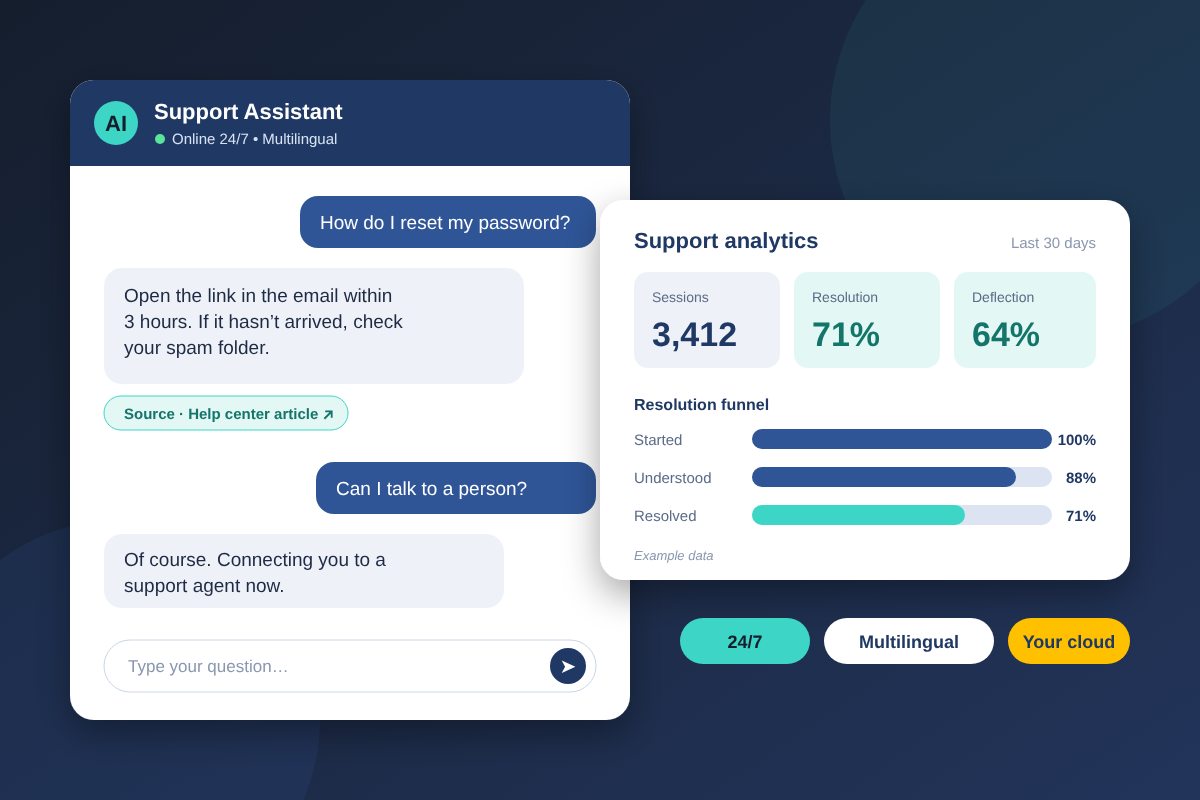
An AI-powered frontline service, built around NIJC’s operational needs. A multi-agent AI system now handles the journey from first enquiry, through eligibility screening, to appointment booking. It is not a conventional FAQ chatbot. It supports the full intake workflow, combining conversational AI, multilingual interaction, eligibility screening, appointment integration and operational analytics. Intelligent conversational assistance: AI agents engage with users, answer questions, and guide them through intake, reducing staff involvement in routine interactions. Multilingual accessibility Users can interact in their preferred language: • English • Spanish • French • Haitian Creole • Arabic NIJC can now offer multilingual service without hiring extra staff for each language. Automated eligibility screening: The system first asks eligibility questions, then directs eligible people to book an appointment. This cuts manual screening and streamlines intake. Around-the-clock appointment access: Eligible users can book outside staff working hours, with no wait for a working day. Multichannel interactions: The system runs across three channels: • Web chat • WhatsApp • AI-powered voice calls People can reach NIJC through the channel they already use. Operational intelligence: An analytics dashboard shows user activity, conversations, appointment status, service demand, and user feedback, so NIJC can see how people use its services.
Impact
NIJC handled a surge in demand with no new hires and no disruption to service. Eight staff members were redeployed to other departments. Appointment booking grew from four to seven days a week, a 75% increase. In about nine months, the AI agents handled more than 12,000 conversations, served more than 2,940 users and tracked 1,255+ appointments. The system works in five languages across web chat, WhatsApp and voice, and is available 24/7.
Want Similar Business Outcomes?
Tell us where your team needs better forecasting, lower support cost, stronger conversion, or more reliable operations.